Table of Contents
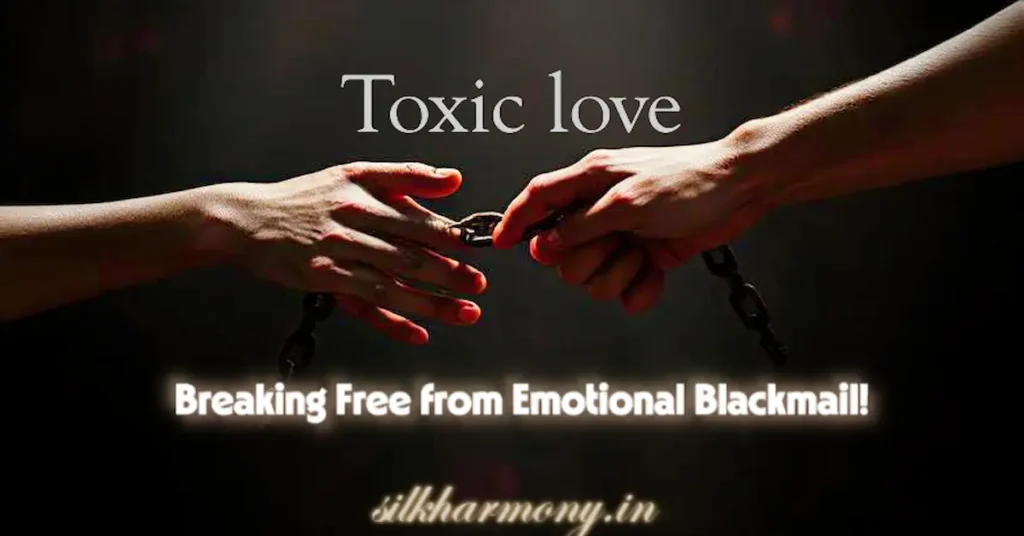
💔 toxic love: When Love Begins to Mean a Deal.
At times, what is presented as love may not be love. Emotional blackmail is that, in which a person lends you your feelings in currency, makes it a little pressure, but not a shout, but one that quietly smother. It manifests itself in the times when you feel to say no, but cannot.
It sounds like:
“I didn’t expect this from you.”
“I do everything for you.”
“If you don’t do this, then I…”
It puts the guise of care in the disguise, but behind that it is interwoven with guilt, fear and obligation. The issue of emotional blackmail makes love a bargain: the cost of your freedom.
Love does not enchant in the world of In Silk. True love allows disagreement, does allow freedom of choice, does allow dignity. When a person violates your borders like an infidel, or makes each refusal a punishment, it is not love, just a domination in the form of affection.
And here is the fact: you owe no one his silence, his acquiescence, his submission of his heart. You owe yourself clarity. You owe yourself peace.
🧨 How Toxic Love Works: The Trick to Make You Stick Around.
Unhealthy love is not cruelty beginning. It starts with intensity. With promises. The attention, which seems to be a destiny. Nevertheless, gradually, it changes – connection to control.

Here’s how it works:
- It mixes property with infatuation: They say, I can not live without you but they want you to stay and mean that they cannot control you. Toxic love is disguised in romantic vernacular, but the real truth about it is that it is about power.
- It is a reward of obedience and a punishment of disobedience: The minute you claim a banditry, the cordiality is lost. You are either treated to the cold silence, guilt trips or even emotional withdrawal. You get to make yourself small in order to preserve the peace.
- It causes you to wonder about your reality: You begin to question yourself: Am I making a mountain out of a molehill? or, is it me that is wrong? It is nothing that is love–it is emotional bleeding. Abusive love eats away at your sanity to the point where you are no longer sure of your emotions.
- It thrives on cycles: Hurt. Apology. Honeymoon. Repeat. Whenever you forgive, you wish that it were otherwise. However, it is not a random trend, it is the system. Sickly love lives through by holding you in emotional debt.
And the most difficult truth is the following: Toxic love is not always loud. Sometimes it’s quiet. Sacrifice appears sometimes to be like that. but when it involves you losing your peace or your voice or your own self–that is no love. It is one of those pitfalls disguised as piety.
Red flags of Emotional Blackmail in Toxic Love
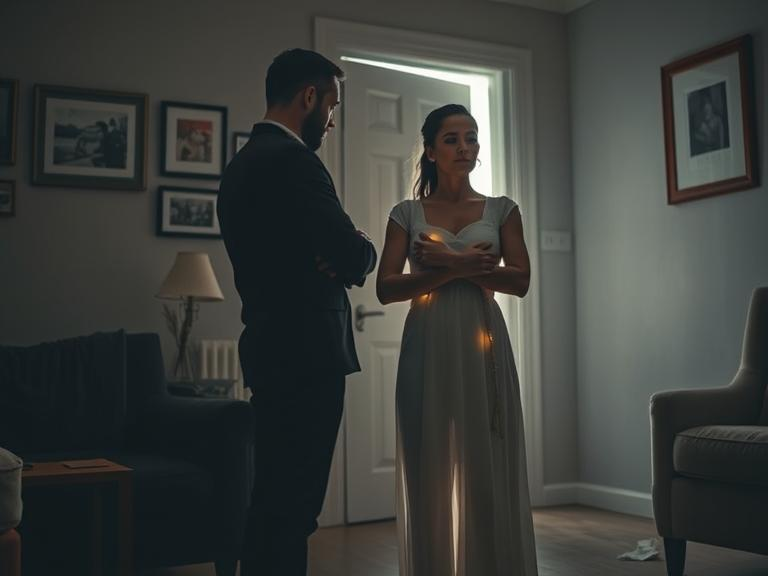
Emotional blackmail is not always accompanied by shouting and threats. It can come silently at times, it comes with guilt and love and with care disguised. But there are indications, but there are indications, if you listen very carefully. Toxic love attempts to alter your emotional script in the following way:

You are punished because you have obstacles: There is a loss of warmness every time you say no. Just to keep your peace, they sulk, they withdraw, or cause you to think that you have done something wrong.
Love feels conditional: Love is granted when you obey, and denied when you do not. You begin working rather than getting to know each other, just so that you can maintain the relationship.
There you are always walking on eggshells: You take note of the words you say, the tone of voice you use, the needs that you have because a single misstep will lead to trips to feelings of guilt, silence, or emotional detachment.
They are playing you off your fears: It can be your fear of being abandoned, rejected, or fighting, they will know what will hurt you, and they make you stay.
You are made to feel unselfish in the desire to have space: Self-care is turned into betrayal by toxic love. You are informed that you are too far, too chilly, or not working hard enough, just to have time to inhale.
You are emotionally obligated: They make you remember all their actions towards you. Each favor turns into a payment. Any act of love becomes leverage.
You doubt your own feelings: You begin to question yourself about whether you are overreacting, dramatizing or fantasizing. There is nothing accidental about that confusion, it is the fog that emotional blackmail is.

Brain The Ultimate Weapon of Emotional Blackmail: Your Emotional Buttons.
Emotional blackmail is not based on the strength. It relies on strategy. And the honebest weapon in its store? Buttons of your emotions, your parts that make you care, make you fear to lose something and make you want to have peace.
Here’s how it works:
- They study your soft spots: Your fear of abandonment. Your remorse about your previous errors. You have to feel the need to appear kind or loyal. They are not imperfections but they are human. However in unhealthy love, they are used as instruments of control.
- They use those buttons at the most appropriate time possible: You are about to draw a line, and they tell you: “Frege allem, alles was ich didi um dich… Or: I suppose I no longer matter anymore. And all at once your clearness is lost in bafflement.
- They cause you to feel that you are responsible to their emotion: You begin to think that you are the cause of their sadness. Their anger is your doing. The silence of them is punitive to you. And then you yield–not on principle, on conscience.
- They weaponize your empathy: The more you are interested, the more they own. Since emotional blackmail does not entail logic, but emotional leverage.
And thus, the greatest weapon is not a threat or a scream. It is the silent playing around with your innermost passions. And the antidote? Awareness. Boundaries. And the extreme opinion that love cannot be a matter of emotional debt.
Some Real examples of toxic love
🎭 Emotional Blackmail in Toxic Love: When Your “No” Isn’t Allowed

You’re buried in work. Deadlines are tight. You’re mentally and physically exhausted. You explain gently to your partner, “I really can’t take a vacation right now. I wish I could, but I’m stuck.”
But instead of understanding, they say:
“If you loved me, you’d make time.” “You always have an excuse when it comes to us.” “Fine. I’ll go alone. Don’t blame me if things change between us.”
This isn’t a request. It’s a demand wrapped in guilt. Your partner isn’t asking for connection—they’re ignoring your compulsion. They’re turning your helplessness into a test of love.
You’re not refusing out of neglect. You’re caught in responsibility. But toxic love doesn’t care about your reality. It only cares about control.
This is emotional blackmail.
It’s when your “I can’t” is treated like “I don’t care.” It’s when your limits are punished instead of respected. It’s when love becomes a measuring stick for obedience.
💸 Emotional Blackmail Over Financial Limits: When “I Can’t” Is Treated Like “I Don’t Want To”
You’ve been honest. The budget is tight. Bills are pending. You’re already stretching every rupee. Your partner says they want something—a trip, a gift, a celebration. You explain gently, “I wish I could, but right now it’s not possible.”

But instead of understanding, they say:
“You always have money for your own things.” “I guess I’m just not worth it.” “Forget it. I’ll stop expecting anything from you.”
Suddenly, your financial reality becomes emotional punishment. You’re not refusing out of neglect—you’re refusing out of necessity. But toxic love doesn’t hear your helplessness. It hears defiance. And it responds with guilt.
This is emotional blackmail.
It’s when your budget becomes a betrayal. It’s when your limitations are twisted into proof that you don’t care. It’s when love becomes a transaction—and you’re always in debt.
Real love doesn’t demand what you can’t give. It doesn’t punish you for being honest. It doesn’t measure your worth by your wallet.
The Spell of Emotional Blackmail.
Breaking It When Your Spouse says you do not love me anymore.
This part is concerning getting the partner out of the emotional trap that he/she is in. It is not the defense but assists them to come to clarity when they are drowning in fear.
Emotional Focus: Fear of them, pity of you and the feeling of guilt to vulnerability.
Key Moves:
- Elaborate the fright of the words. You mean you do not love me, most of the time it means you feel unrecognised. – Not the accusation, but the fear.
- Slow down the shortcut. Guilt is fast. Vulnerability takes time. – Ask more: “What is really wrong with you?
- Provide them with emotive words. – Use such words as neglect, unseen, disconnected. Borrow them your light till they have theirs.
- Transform demand into need. – “You want closeness. I want to get something that will suit us both.
- Teach safer ways to speak. – use feeling rather than blame: “I feel lonely” rather than You never care.
- Breach the door to vulnerability. Do you not need to chastisement me to make me heard? Just tell me what hurts.”
- Redefine love as emotional truthfulness. – “Love isn’t obedience. It is true- even when it is not pleasant.
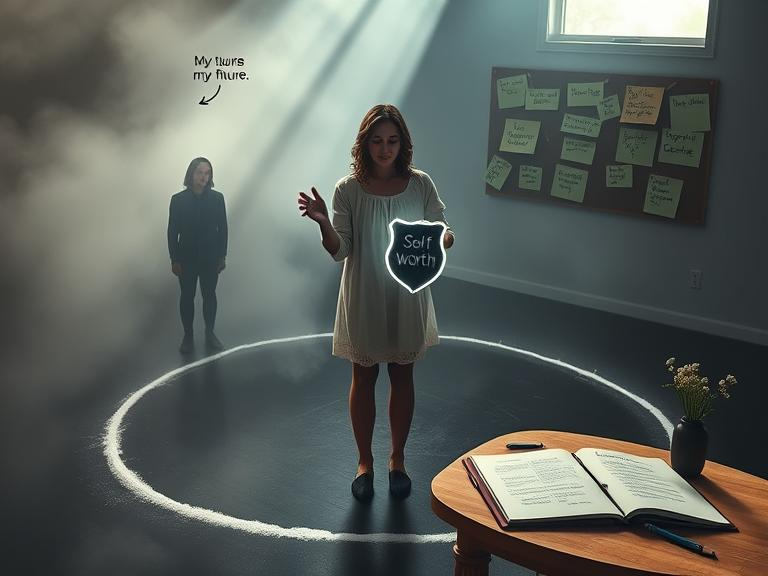
MISSION IMPOSSIBLE: How To Quit Emotional Blackmail.
Setting Your Terms: A guide on how to deal with Blackmail in Emotions.
Emotional Focus: your comprehension, your limits, and your unwillingness to compromise yourself.
A. Establishing clear Limits
I will not make decisions in a guilty way. – Boundaries are no punishments, they are emotional clarity.
B. The Art of Non-Compliance
You don’t argue. You don’t explain. You simply don’t surrender. – Being disobedient is not being mean–it is being respecting oneself.
C. Where practicable, Proper communication
Speak of what you really want–of what you think I am to give. – You name the pattern. You invite truth. You stay anchored.
D. Strength of Your Inner Self
I can get away with disappointing one, without being disloyal. – It does not matter how well you perform when in pressure, this is not how your value is determined.
Conclusion: A respectful Marriage
To be able to escape a state of emotional blackmail is not so much a matter of dealing with a negative repetition, as of asserting your own personal value as well as of defining what love is to you. It is a brave and honest decision between telling the truth and false appearance, being strong and quiet and being self-respecting and being manipulated. The key is to first learn to recognize emotional blackmail and then the next transformative step is to learn to regain the ability to set some boundaries and say I will not accept being manipulated by fear, obligation, or guilt.
The healthy marriage does not require lots of emotional giving away and pleasing all the time. It opens up a discussion, support, and common responsibility. It is independent and promoted a sense of togetherness. Love when neither of the partners feels threatened, misunderstood or depreciated is effortless and uncompromising, as it does not force the other person to remake oneself.
When you demand respect, emotional honesty, and fairness, you are not asking too much anyway. You are establishing the foundation of an equal relationships that respects both partners. No matter which way your trip is – mutual compassion or the newpath taken by you, the target is always like this: to have your own life, where your emotional health is secure, and where your happiness is not at the bottom.
You do not need to live in a marriage that is ruled by control but trust. This should be your point of change to a more respectful, more authentic, and more empowering relationship. Since ultimately, it is just the kind of a marriage that is characterized by respect that indeed lasts.